May 6, 2026
A Year Leading KISA
*long post alert*
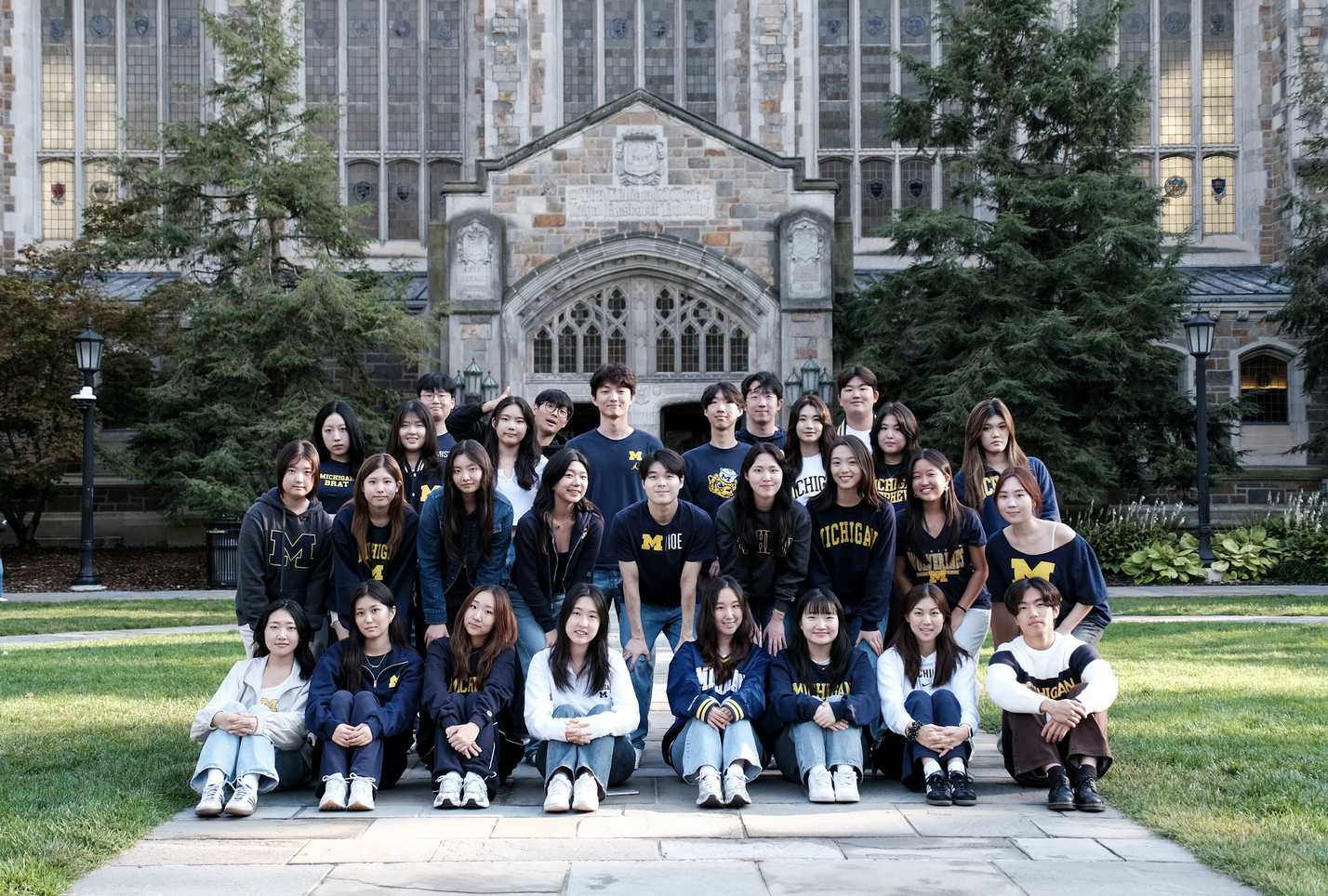
For those who may not be familiar, KISA is the Korean International Student Association at the University of Michigan. Our student organization consists of around 30 executive board members, and we host social, academic, and professional events for Korean students on campus throughout the year.
I joined KISA in Fall 2023, and in April 2025, I began my term as President. As my term came to an end in April 2026, I wanted to take some time to reflect on what this past year meant to me — both as a year for KISA and as my first real experience leading a large group of people.
At the beginning of my presidency, I set two major goals.
The first was to strengthen KISA’s online presence, especially through Instagram Reels. Our organization had not really focused on short-form video marketing before, but I believed it was becoming an important way to reach students, promote events, and build a stronger public image. Ultimately, I believed having a stronger online presence would help us when reaching out to potential sponsors.
The second goal was to bring in as many sponsors as possible, whether through monetary support or product sponsorships. Sponsorships help reduce our spending as a student organization and give us more flexibility to host a wider variety of events, take bigger risks, and provide better experiences for our attendees.
Honestly, there were moments when I regretted taking on this position. I did not realize how busy and demanding it would be. Things did become more manageable during the second semester, but the first semester was intense. We hosted our biggest start-of-semester mass meeting ever, invited consuls from the Korean Consulate General in Chicago, and even organized a large-scale singer concert with over 600 attendees.
The Concert
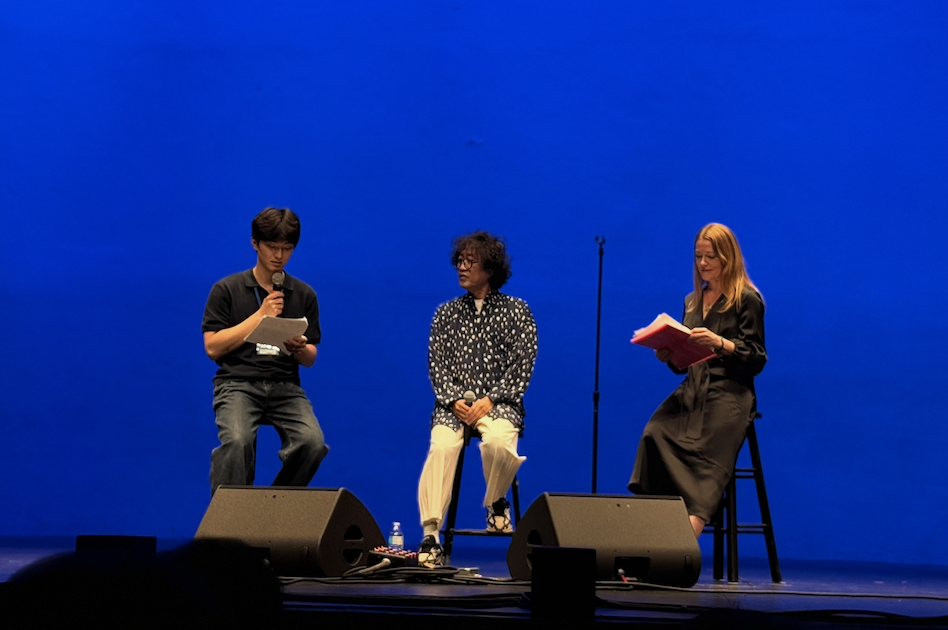
One of the most memorable moments of the year was organizing K-ONNECT concert with singer Kim Kwang Jin.
Kim Kwang Jin is a professional and well-known Korean singer. Almost every Korean knows at least two of his songs: Magic Castle and The Letter. What made the event even more special was that he is also a UofM alum, having received his MBA from Ross (Go Blue!).
I personally grew up listening to his songs with my parents, so it felt surreal to invite him back to the campus for a concert.
For this concert, I managed almost every part of the process, from preparation to execution. This included finding and organizing venues, coordinating sponsors, arranging audio systems, setting up online ticket sales, and managing operations on the day of the event. I even went up on stage for a short conversation during the concert.
It was a huge amount of work. Over the span of about four months, I exchanged over 200 emails, joined countless calls and meetings, and eventually found myself speaking in front of 600 people on stage.
But after all, it was also incredibly fun. I was stressed and exhausted until the very end of the concert, but the moment it was over, I realized how valuable and special this experience was. Successfully putting together such a large event, seeing an artist I had admired since childhood perform from backstage, and even being able to invite my mom, who always played his songs while driving me to school.
Goals Achieved
This year, KISA made significant progress in sponsorship, marketing, and event planning.
On the sponsorship side, we worked with 11 different sponsors in the past year. In total, we secured around $8,000 in cash sponsorships and about $1,500 worth of product sponsorships.
On the marketing side, we became much more active on Instagram. Over the year, we produced around 16 Reels and 46 posts, which helped us promote events more effectively and build a stronger public presence for the organization.
We also hosted several major events. The K-ONNECT concert was one of our biggest new initiatives, bringing in over 600 attendees. Our start-of-semester mass meeting had over 100 attendees, making it the largest mass meeting KISA has ever hosted. We also held our Start-of-Semester Pocha, a Korean-themed social event, which brought in over 200 attendees and became one of our biggest events to date.
Handing It Off
Now, I have passed KISA on to next year’s executive board. I decided to step away from the organization to focus more on my graduate school applications this fall.
Looking back, I do recognize that this year may have felt very busy for our board members. We were constantly trying to accomplish new things and build a more sustainable foundation for the organization. Some members wanted KISA to feel more “fun,” and I understand that. After all, we are a student organization, and it should be enjoyable too. More drinking, more partying.
That is something I regret. I think I could have been more mindful of making the experience more fun for the members themselves, not just productive for the organization.
At the same time, I always made sure that every event was properly prepared, that logistics were handled and no major issues happened. I wanted to leave behind a stronger foundation for KISA, especially in terms of sponsorship outreach and PR/marketing presence.
There were times when certain tasks were not completed by members, and I ended up doing them myself. I never saw that as a burden, because I genuinely wanted to help KISA grow and succeed. To me, making sure the organization continued moving forward was the most important thing. Now, those experiences are pushing me to reflect more deeply on what it means to lead, not just manage.
Leadership != Management
KISA is divided into two main branches: Operations and Public Relations. Operations includes the Event Planning, Outreach, and Website teams, while Public Relations includes the Marketing and Design teams.
Throughout the year, I tried my best to motivate both sides and guide the organization toward the two main goals I had set: improving marketing and strengthening sponsor outreach. At a high level, both goals were achieved. However, the way they were achieved was very different.
With the Marketing team, the process felt very natural. The marketing lead and I had a very aligned vision. We both wanted to promote more Reels and expand KISA’s online presence. Because of that shared goal, we recruited new members, created more short-form content, and pushed our marketing strategy further than before. I constantly shared ideas, gave feedback, and tried to be supportive. But more importantly, the team was passionate, and that passion made everything work out very easily.
Leading the Operations side toward the sponsorship goal was more difficult. I do not think I was always compelling enough to make sponsor outreach feel like their own responsibility. Instead, there was a negative cycle: I would ask members to follow up on their progress, and they would feel stressed by the repeated reminders. Members were not excited, and eventually, I felt stressed too.
In the end, most of this year’s sponsorship success came from my own outreach and networking. Externally, it was extremely successful. Internally, though, I had always hoped it would feel more like my members’ achievement, not just my own. I wanted the sense of success to come from my leadership in motivating members to reach out to sponsors, not simply from my own hard work.
This experience taught me the difference between management and leadership. I have always been strong in management: making sure tasks were completed, events were organized, and goals were reached. That does not mean I was a bad leader; in fact, good management is an important part of leadership. Over the course of the year, I also made a constant effort to actively listen to my members, and many of them were satisfied with their experience. However, looking back, I wish I had been better at inspiring people and helping them feel personally connected to the broader vision. This is not easy to do, but I have seen leaders who are able to create that sense of purpose, and it is a skill I hope to continue developing.
The End
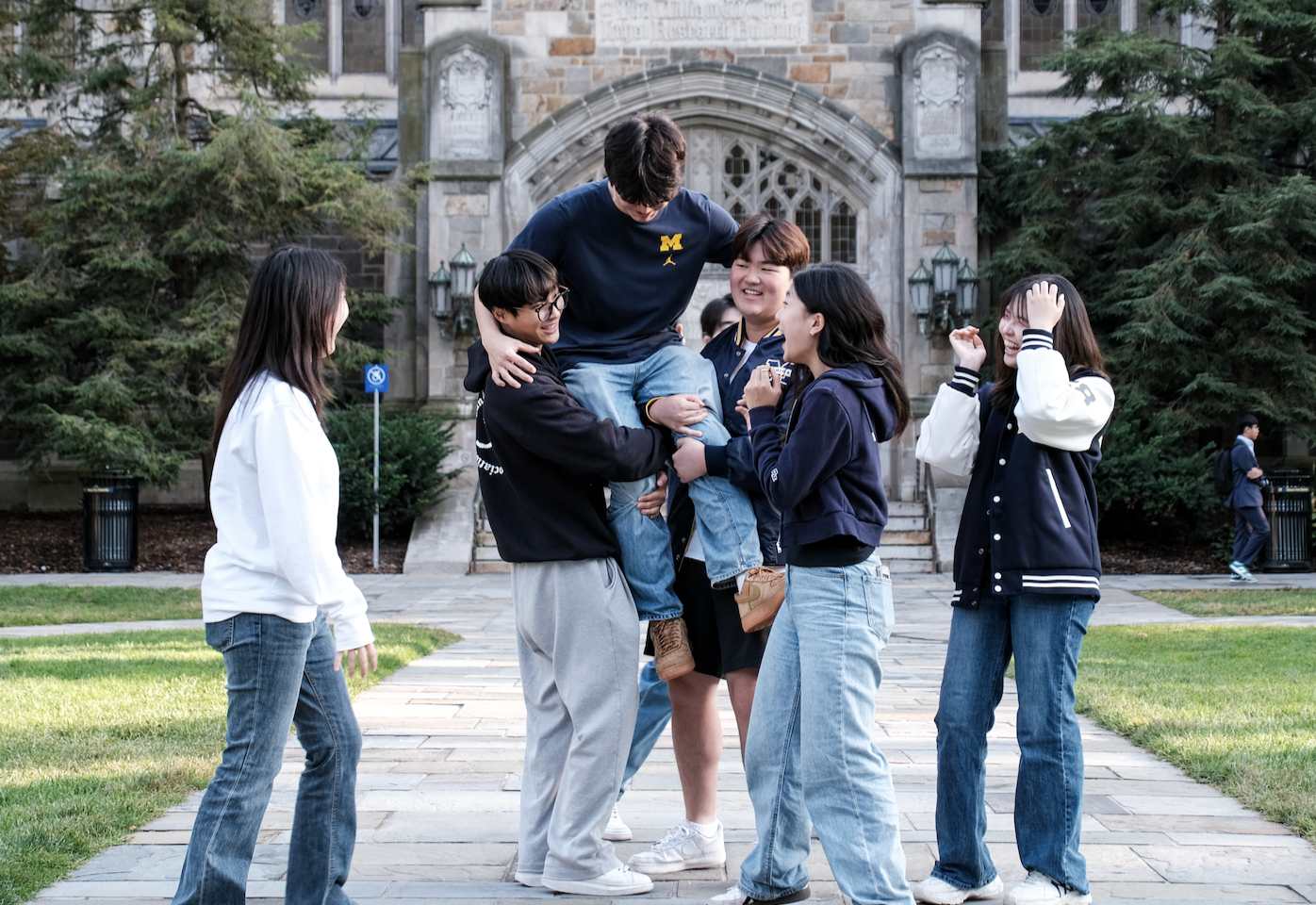
Leading a group of 30 board members, speaking publicly in front of the Korean community, and reaching out to sponsors and alumni all pushed me far outside my comfort zone. It was challenging, but also exciting and special.
I leave KISA knowing that I gave my best effort. I also leave knowing that I still have a lot to learn about leadership. This year taught me how to execute under pressure, communicate with many different groups of people, and manage an overwhelming amount of responsibility all at once. Most importantly, it taught me that leadership is not just about getting things done. It is about motivating others to believe in what you want to build together.